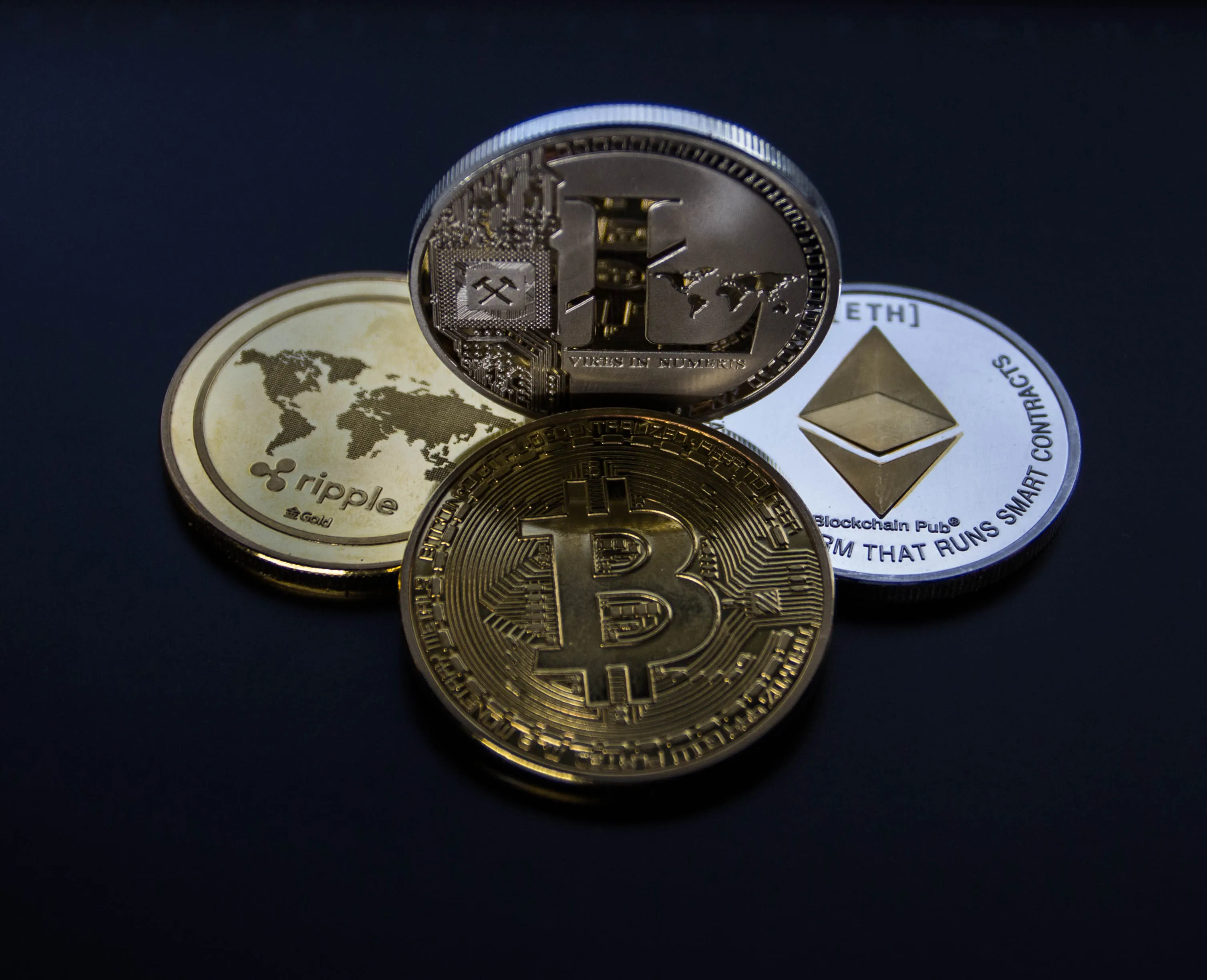
# Why Bitcoin Is Falling With Everything Else: Crypto in the September 2026 Selloff
Bitcoin is often called "digital gold," a hedge that should shine when the world feels dangerous. So it is worth asking: why did Bitcoin fall below $76,500 on a day when US-Iran tensions escalated and markets were gripped by fear? On September 2, 2026, crypto tumbled right alongside stocks, gold and silver. Here is why Bitcoin behaved like a risk asset, not a safe haven, and what it tells us.
What Happened to Crypto Prices Today?
The moves were broad and downward. Bitcoin traded around $77,100, having opened about 1.5% lower than the prior day and briefly slipping below $76,500. Ethereum fell harder, dropping roughly 2.4% to about $2,403, with its market cap sliding toward $290 billion.
This was not a crypto-specific problem. It was part of a market-wide risk-off wave, the same one hitting equities and precious metals.
Why Is Bitcoin Falling?
The triggers came from outside crypto entirely:
1. US-Iran conflict. Fresh US strikes on Iran sent oil prices above $93 a barrel, reigniting fears of a wider conflict and higher inflation.
2. Rising bond yields. With Treasury yields near multi-year highs, risky assets across the board, from tech stocks to crypto, face pressure as safer returns become more attractive.
3. Inflation and Fed worries. Higher oil feeds inflation fears, which raise the odds of the Federal Reserve staying hawkish, another headwind for speculative assets.
In short, Bitcoin fell for the same reasons stocks and even gold fell. When investors flee risk, they often sell everything liquid, and crypto is highly liquid.
Isn't Bitcoin Supposed to Be a Safe Haven?
This is the question that frustrates so many crypto investors, and the honest answer is nuanced. Bitcoin has a long-term "digital gold" thesis: a fixed supply, decentralized, a hedge against currency debasement over years. That case is intact.
But in the short term, during acute market stress, Bitcoin usually trades like a high-beta risk asset, more like a tech stock than like gold. When fear spikes and yields rise, investors sell their riskiest, most liquid holdings first, and crypto is near the top of that list. The "digital gold" behavior tends to show up over years, not during a single scary week.
Notably, even real gold fell in this selloff, crushed by the same high yields and strong dollar. So Bitcoin is in good company: in a rate-driven risk-off move, almost nothing was spared. For the mechanics behind it, see our explainer on what a bond selloff means for investors.
How Are Crypto-Linked Stocks Reacting?
The selloff ripples into crypto-adjacent equities. Coinbase (COIN), whose revenue rises and falls with crypto trading activity, tends to move with the market. Bitcoin ETFs like the iShares Bitcoin Trust (IBIT) track the coin directly, so they fall in lockstep. For investors who hold crypto exposure through stocks or ETFs, days like this are a reminder of just how tightly they are linked to the underlying coins.
Want to track crypto prices live and compare movers? Our crypto dashboard has the full market.
The Bottom Line: A Risk Asset First, Digital Gold Later
The September 2026 selloff is a clean lesson in how crypto actually behaves. Over the long run, Bitcoin's scarcity-driven thesis may hold. But in the heat of a macro-driven, risk-off moment, it trades like the riskiest asset in the room, and gets sold accordingly.
Our take: Do not expect Bitcoin to save you in a macro storm. Treat crypto as the high-risk, high-reward slice of a portfolio, sized so a 10-20% swing does not derail you. The long-term believers use weakness like this to accumulate slowly; what they do not do is expect Bitcoin to act like a safe haven in the middle of a yield spike and an oil shock. Key risk to watch: As long as yields stay elevated and the US-Iran situation festers, crypto is likely to stay volatile and correlated with risk assets. A peak in yields, or a de-escalation in the Middle East, would be the more likely trigger for a crypto rebound than any crypto-specific catalyst.---
This article is for informational purposes only and is not financial advice. Cryptocurrencies are highly volatile. Always do your own research before investing.Related Reading
Screen stocks and compare valuations with our Stock Screener.



