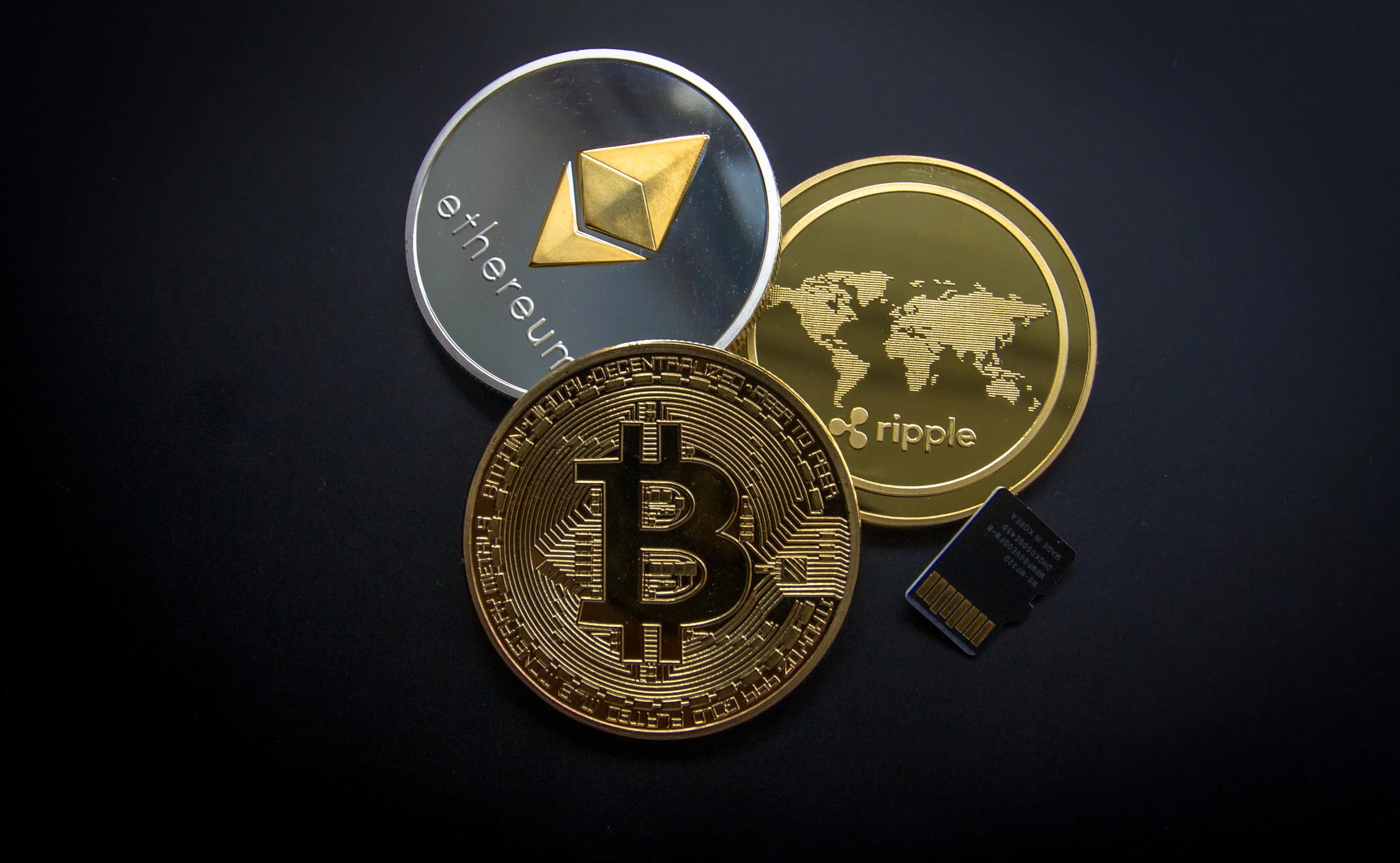
# The Complete History of Bitcoin: From a 9-Page Whitepaper to a $2 Trillion Revolution
Bitcoin's story reads like a thriller. A mysterious creator who vanished. Fortunes made and lost. Exchanges that collapsed overnight. Governments that banned it, then embraced it. Wall Street titans who mocked it, then bought it. From a document almost nobody read in 2008 to one of the most valuable assets on earth, this is the complete history of Bitcoin, told through the milestones that defined it.
The Idea: A Whitepaper Nobody Noticed (2008-2009)
On October 31, 2008, in the middle of the global financial crisis, someone using the name Satoshi Nakamoto published a 9-page paper titled "Bitcoin: A Peer-to-Peer Electronic Cash System." The timing was poetic: as banks collapsed and governments printed money, Satoshi proposed money that no bank or government could control.
On January 3, 2009, Satoshi mined the very first block, the "genesis block," officially launching the Bitcoin network. Embedded in it was a headline from that day's newspaper: "Chancellor on brink of second bailout for banks." It was a statement of purpose. Bitcoin was born as a rebellion against the traditional financial system.
To this day, no one knows who Satoshi Nakamoto really is. Satoshi disappeared in 2011, leaving behind roughly 1 million untouched bitcoins and the most valuable open secret in finance.
The Early Days: The $25 Pizza (2010-2011)
For its first year, Bitcoin had no price. It was a curiosity traded among cryptographers and hobbyists. That changed on May 22, 2010, when programmer Laszlo Hanyecz paid 10,000 BTC for two pizzas, the first real-world Bitcoin transaction. Those coins were worth about $25 at the time. Today, "Bitcoin Pizza Day" is legend: those 10,000 coins would later be worth hundreds of millions of dollars, making them the most expensive pizzas in history.
In 2011, Bitcoin reached parity with the US dollar ($1 per BTC) and began attracting attention, some of it unwanted, as it became the currency of the Silk Road online marketplace. The press wrote its first of many "Bitcoin obituaries." It would not be the last.
The First Cycles: Boom and the Mt. Gox Collapse (2013-2014)
Bitcoin's first major bull run came in 2013, when it crossed $1,000 for the first time and grabbed mainstream headlines. But the era also exposed its fragility. In early 2014, Mt. Gox, then the exchange handling most of the world's Bitcoin trades, collapsed after losing roughly 850,000 BTC to hacking and mismanagement. It was a catastrophe that set the tone for a hard lesson Bitcoin would teach repeatedly: the network is secure, but the companies built around it are not always.
Going Mainstream: The 2017 Mania
2017 was the year Bitcoin entered the public consciousness for good. Fueled by retail investor frenzy and the ICO (initial coin offering) boom, Bitcoin surged to nearly $19,000 by December. The launch of Bitcoin futures on the CME and CBOE gave Wall Street its first regulated way to trade it. Then came the crash: through 2018, Bitcoin fell roughly 80%, and the skeptics declared it dead again.
The Institutional Era: Wall Street Buys In (2020-2021)
The 2020-2021 cycle was different. This time, institutions led. Companies like MicroStrategy and Tesla added Bitcoin to their balance sheets, treating it as "digital gold" and a hedge against money printing during the pandemic. The May 2020 halving (which cut the new supply of Bitcoin) added fuel.
The result was an explosive rally to an all-time high near $69,000 in November 2021. Along the way, two historic milestones landed: El Salvador became the first country to adopt Bitcoin as legal tender in September 2021, and the first Bitcoin futures ETF launched in the US, opening the door to everyday investors.
Crypto Winter: The Great Collapse of 2022
Every Bitcoin boom is followed by a brutal reckoning, and 2022 was the worst yet. Rising interest rates drained speculative money, and the industry imploded from within. The Terra/Luna ecosystem collapsed, wiping out tens of billions. Then, in November 2022, FTX, one of the largest crypto exchanges, imploded in a fraud scandal that shook the entire industry. Bitcoin bottomed around $16,000. Once again, the obituaries were written.
The ETF Revolution and the Road to $100K (2024)
Bitcoin's greatest comeback began with a decision years in the making. On January 10, 2024, the US SEC approved 11 spot Bitcoin ETFs, a landmark that let institutions and ordinary investors buy Bitcoin as easily as a stock, through vehicles like the iShares Bitcoin Trust (IBIT). The floodgates opened.
Massive ETF inflows pushed Bitcoin to a new high above $73,000 in March 2024, before that year's halving in April (which cut block rewards to 3.125 BTC). The momentum did not stop: in December 2024, Bitcoin crossed $100,000 for the first time, briefly topping $108,000. The asset the establishment once mocked was now mainstream.
The Peak and the Correction (2025-2026)
The bull market climaxed in October 2025, when Bitcoin hit an all-time high of about $126,198, driven by relentless ETF inflows, crypto-friendly US policy, and demand for Bitcoin as a hedge against dollar debasement.
Then, true to form, the cycle turned. Bitcoin sold off substantially into 2026, trading around $64,000 by mid-year and swinging violently on macro headlines, Fed rate decisions, jobs reports and geopolitics, as we have tracked in pieces like why Bitcoin falls with everything else. In 2026, Bitcoin trades less like a rebel currency and more like a high-beta macro asset, rising and falling with global risk appetite.
By the Numbers: What Makes Bitcoin, Bitcoin
Behind the drama, a few unchanging facts define Bitcoin:
- Fixed supply: Only 21 million bitcoins will ever exist. No one can print more. This scarcity is the heart of the "digital gold" thesis.
- The halving: Roughly every four years, the reward for mining new Bitcoin is cut in half, slowing new supply. Halvings have historically preceded major bull runs.
- Decentralization: No company, bank or government runs Bitcoin. It is maintained by a global network of computers, which is why it has never been shut down despite countless attempts.
- Satoshi's coins: Around 1 million BTC mined by the creator have never moved, a multi-hundred-billion-dollar fortune frozen in time.
What Comes Next?
Bitcoin's future is being written now. The debates that will define its next chapter are already underway: the looming quantum computing threat to its cryptography, evolving US crypto regulation, and the eternal question of whether it is truly "digital gold" or simply the market's riskiest asset. For a fun long-term perspective, we even compared $1,000 in Bitcoin vs Nvidia over 10 years.
Curious how to actually invest? See our guides via the crypto dashboard, and compare crypto-linked names like Coinbase (COIN) and IBIT with our Stock Screener.
The Bottom Line: A Revolution That Refuses to Die
Bitcoin has been declared dead hundreds of times. It has survived exchange collapses, government bans, 80% crashes and its own creator vanishing. Each time, it came back stronger, and more legitimate. From a $25 pizza to a six-figure asset held by governments and Wall Street, its 17-year journey is one of the most remarkable stories in financial history.
Our take: Respect the history, but invest with clear eyes. Bitcoin's track record of resurrection is real, and so is its long-term adoption trend. But so is its brutal volatility, 80% drawdowns are a feature, not a bug. Treat it as the high-risk, high-conviction slice of a portfolio, size it so a crash cannot ruin you, and remember that in Bitcoin, patience has always been rewarded far more than timing.---
This article is for informational purposes only and is not financial advice. Cryptocurrencies are highly volatile. Always do your own research before investing.