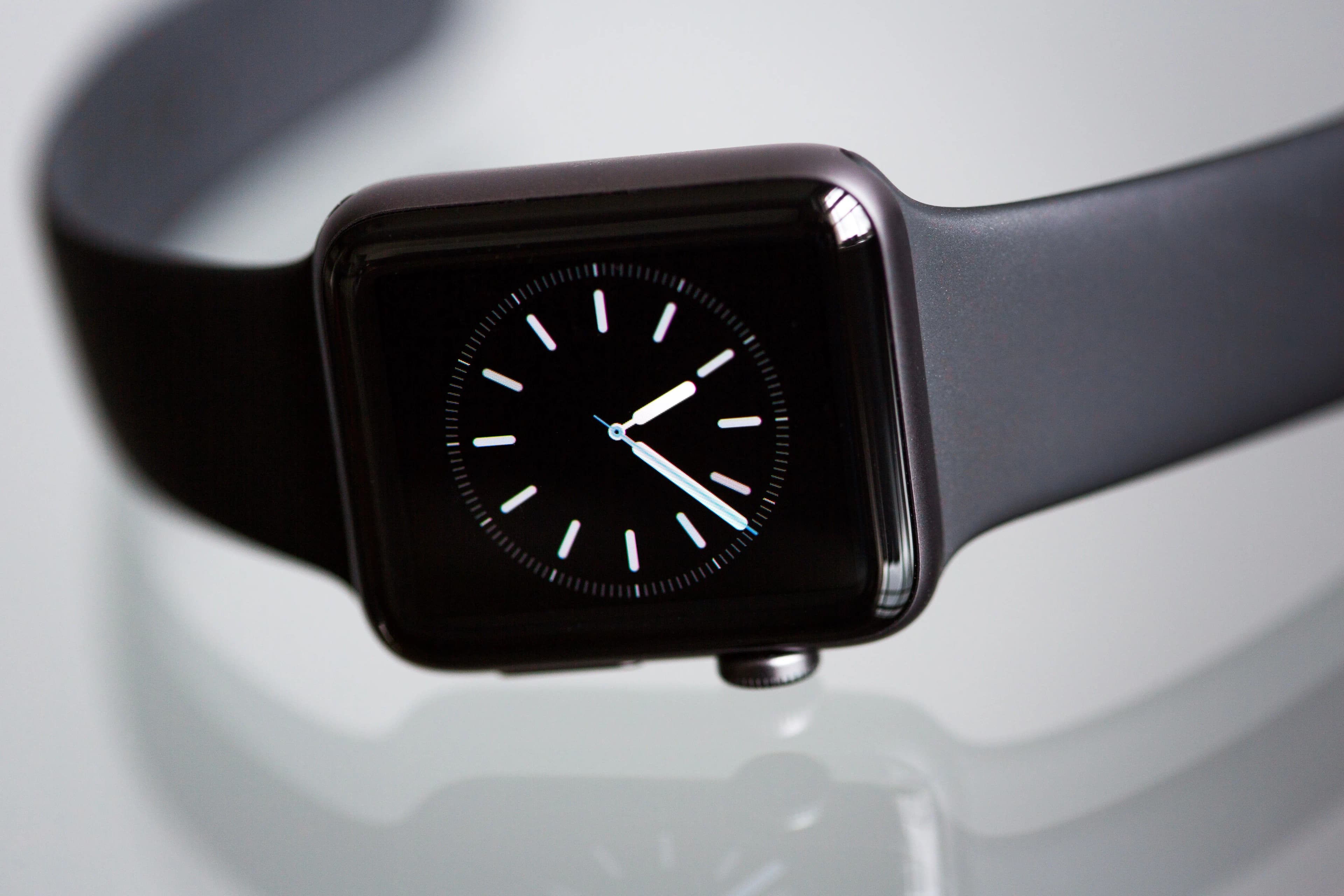
# The Apple Watch Ultra 4 Is Here: Why Apple's Health Bet Matters More Than the $799 Price Tag
At its September 9, 2026 event, Apple (AAPL) unveiled the Apple Watch Ultra 4 alongside the foldable iPhone Duo and the new AI Siri. The Ultra 4 keeps the same $799 price and the same rugged 49mm titanium design, so on the surface it looks like a modest update. But look closer and it reveals one of Apple's most important long-term strategies: health.
What Is New in the Apple Watch Ultra 4?
The hardware upgrades are solid, if not flashy:
- New S11 chip, which powers on-device AI features, including the new Siri AI and a suite of "Audio Intelligence" tools (Sound Recognition, faster Shazam, Live Rewind and Siri Recap).
- Longer battery life, up to about 50 hours normally (from 42), 84 hours in Low Power Mode, and up to 45 hours of workout tracking.
- 5G, Bluetooth 5.3 and fast charging, plus satellite emergency SOS for off-grid safety.
- Same $799 price, 49mm case, in Black or Natural Titanium. Pre-orders opened on the 9th, with sales starting September 18.
No redesign, no price hike. So why does this matter for investors?
The Real Story Is Health
The most important upgrades are not about speed, they are about your body. The Ultra 4 adds:
- Readiness, a 0-to-10 daily score based on your recent activity, sleep, vitals and recovery, updated through the day.
- A new Health Age score.
- Improved heart rate and heart rate variability (HRV) tracking, surfaced in the Vitals app.
- And most significantly, a blood pressure feature that has been reviewed by the FDA, pushing the watch further into regulated, medical-grade territory.
That last point is the tell. Apple is steadily turning the watch from a fitness gadget into a health device, and health is a market measured in trillions.
Why Health Is Apple's Next Moat
For Apple (AAPL), health is a strategic wedge that gets stronger every year. Here is why it matters:
- Ecosystem lock-in. Once your years of health history, vitals and trends live on your Apple Watch and iPhone, switching to another platform means leaving that data behind. That is powerful, sticky retention.
- Wearables and Services revenue. The watch feeds Apple's large Wearables business and pulls users deeper into high-margin Services (fitness subscriptions, cloud health data and more).
- A regulated moat. FDA-cleared features like ECG, and now blood pressure, are hard for rivals to copy quickly. They turn a consumer gadget into something closer to a medical instrument.
None of this moves Apple's earnings overnight. But it quietly widens the gap between Apple and everyone else, and it opens a genuinely enormous long-term market.
AI on Your Wrist
The Ultra 4 is also part of Apple's broader AI push. The new S11 chip enables the rebuilt AI Siri on the wrist, plus Audio Intelligence features that make the watch more useful hands-free. Combined with the new iPhone Duo and iPhone 18 Pro, it rounds out an ecosystem where every device gets smarter together.
Want to see how Apple screens on valuation and growth next to its mega-cap peers? Use our Stock Screener.
What It Means for Investors
Do not judge the Ultra 4 by its spec sheet. Judge it by direction. Apple is using the watch to build a health platform that is sticky, high-margin, regulated and expandable, exactly the kind of quiet moat that compounds over a decade.
Our take: Not a near-term catalyst, but a long-term positive. The Ultra 4 will not move AAPL this quarter, and at $799 it is a premium, niche product. But the health strategy behind it is one of the strongest long-term reasons to own Apple, deepening ecosystem lock-in and opening a massive market. For long-term holders, this is the part of the story worth watching. Key risk to watch: regulatory hurdles or accuracy questions around medical-grade features like blood pressure, which could slow the health push or invite scrutiny.---
This article is for informational purposes only and is not financial advice. Apple Watch health features are not a substitute for professional medical advice. Always do your own research before investing.