# SpaceX Is About to Attempt Starship's First Real Orbital Mission: Why It Matters for SPCX
SpaceX keeps raising the bar. The company has filed with regulators for Starship Flight 14, and this one is a genuine milestone: it is set to be the program's first true orbital mission. Every previous Starship flight flew a suborbital arc. Going fully orbital, and deploying satellites while up there, is the step that turns Starship from a test vehicle into a working rocket. Here is why it matters for SpaceX (SPCX).
What Is Different About Flight 14?
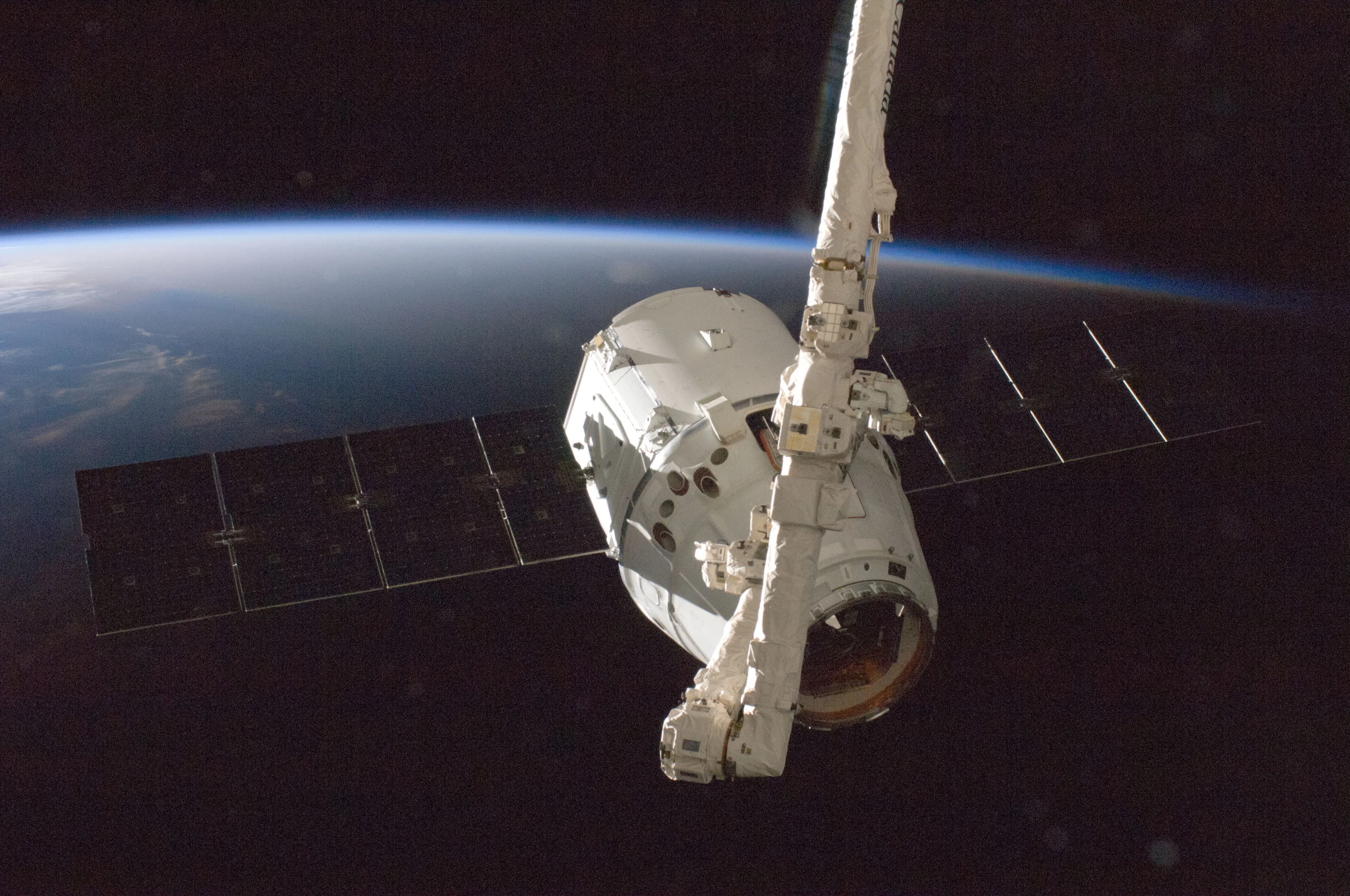
Until now, every Starship test, through Flight 13's splashdown earlier this year, has flown a suborbital path: up, around, and back down without completing an orbit. Flight 14 changes that. According to its regulatory filing, it is designed as SpaceX's first orbital mission profile, and it aims to deploy 26 next-generation Starlink V3 satellites from the ship while in space.
That combination, reaching orbit and releasing a real payload, is the whole point of Starship. It is the difference between "impressive test" and "operational rocket."
Why Starship Matters So Much
Starship is the foundation of SpaceX's entire long-term vision. It is a massive, fully reusable rocket designed to slash the cost of reaching orbit, and eventually to carry humans to the Moon and Mars. If it works at scale, it changes the economics of space itself.
More immediately, it is the key to deploying the powerful new Starlink V3 satellites, which promise far more capacity than the current generation. Since Starlink is SpaceX's main profit engine, a working Starship directly accelerates the business that actually makes money.
A Record-Setting Launch Machine
While Starship grabs headlines, SpaceX's existing Falcon rockets are quietly setting records. The company recently launched its 700th Falcon rocket, has flown a huge number of Starlink missions this year, and continues to fly national-security payloads for the US government. It has even shifted Starlink launch operations to the West Coast to free up Cape Canaveral for Starship's East Coast debut.
This is the paradox of SpaceX: a reliable, high-cadence cash machine (Falcon + Starlink) funding an audacious moonshot (Starship).
What It Means for Investors
For SpaceX (SPCX), now trading around $152 a share since its 2026 IPO, Starship is the ultimate high-stakes bet. A successful orbital flight would be a powerful validation of the technology and the timeline, potentially boosting sentiment. A failure, always possible with cutting-edge rockets, would be a costly setback but not unusual for the program.
The key for investors is perspective: Starship is a long-term, multi-year story with inevitable ups and downs. Each successful step de-risks the future; each failure is a reminder that this is genuinely hard. For the full picture of how SpaceX makes money today versus its moonshot ambitions, see our guide to SPCX after the IPO, and compare space names in our best space stocks guide.
The Bottom Line
Starship Flight 14 attempting a first orbital mission is one of the most important milestones in SpaceX's history. Paired with a record Falcon cadence, it shows a company executing on both its steady business and its wildest ambitions at once.
Our take: A pivotal test, but keep the long view. A successful orbital Starship flight would be a genuine leap that accelerates the Starlink profit engine and validates SpaceX's trillion-dollar vision. But rocket development is bumpy by nature, and one flight, success or failure, does not make or break the thesis. SPCX remains a high-conviction, high-volatility bet on the future of space, best judged over years, not single launches. Key risk to watch: a Starship failure or repeated delays, which would push out the timeline for Starlink V3 and the broader vision that SPCX's valuation is built on.---
This article is for informational purposes only and is not financial advice. Always do your own research before investing.