Palantir has become one of the most beloved stocks on the market, and unlike some hype names, the enthusiasm is not entirely irrational. The company is growing revenue at a stunning 85% a year and is genuinely profitable, with margins above 40%. That combination is rare and impressive. So this is not a case of a bad company. It is a case of a great company at a price that leaves almost no room for error. Here is the risk map Palantir (PLTR) bulls keep skipping over.
The valuation is in a league of its own
Start with the number that defines everything. Palantir trades at a price-to-sales ratio near 58. Read that again: investors are paying about $58 for every $1 of annual revenue. For context, a typical mature company trades at 1 to 3 times sales, and even richly valued software companies rarely exceed 15 to 20. Its P/E ratio sits around 140. These are not simply high multiples, they are among the most extreme valuations in the entire US market.
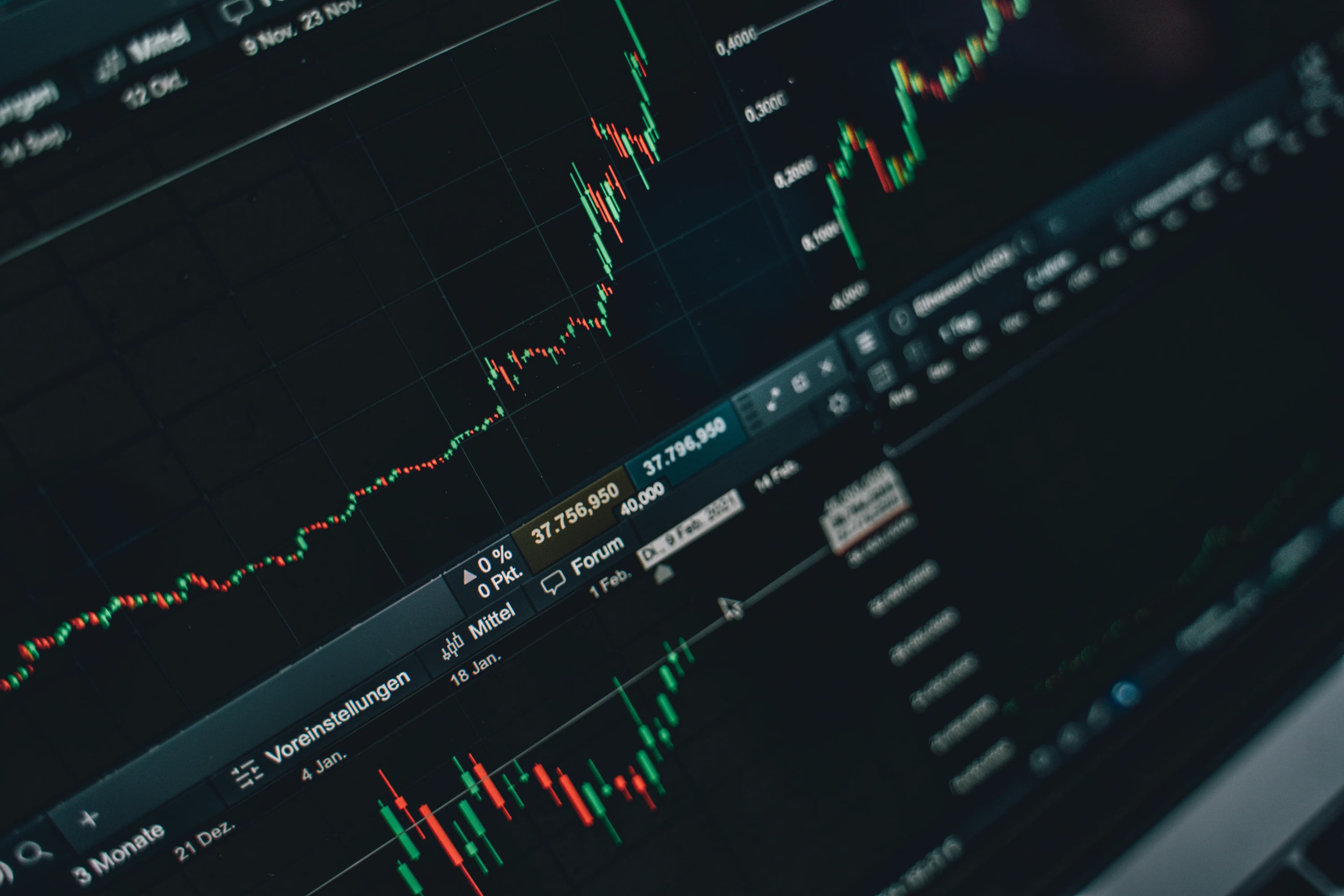
A price like that assumes not just that Palantir keeps growing fast, but that it keeps growing fast for many years without a single stumble. The market has already shown how fragile that assumption is: the stock has swung from around $106 to over $207 and back to the $120s in a single year. When a valuation is this stretched, even good news can fail to move the stock, and any disappointment gets punished violently.
Stock-based compensation dilutes you quietly
Palantir has historically paid its employees heavily in stock. That stock-based compensation does two things investors often overlook. First, it flatters the adjusted (non-GAAP) profit numbers the company likes to highlight, because those figures add SBC back. Second, it steadily dilutes existing shareholders by increasing the share count. A company can look more profitable than it really is on a per-share basis when a big slice of the "cost" is paid in new shares rather than cash.
Government revenue is lumpy and political
A large part of Palantir's business comes from government and defense contracts. That work is prestigious and sticky, but it is also lumpy and unpredictable: contracts get delayed, renegotiated, or tied up in budget fights and politics. Revenue that depends on government spending cycles is inherently less smooth than the market's steady-growth assumptions imply.
The commercial story has to be flawless
The bull case for Palantir now rests heavily on its commercial business, especially its AI platform, growing rapidly for years. That growth has been real and fast. But at a price-to-sales near 58, "real and fast" is not enough, it has to be flawless. Any sign that commercial growth is decelerating, that new customers are getting harder to win, or that competition in AI software is heating up would knock out the single pillar holding up the valuation.
A momentum stock cuts both ways
Palantir is one of the most heavily retail-owned and sentiment-driven names in the market. That enthusiasm has powered enormous gains, but it also makes the stock unusually volatile and vulnerable to shifts in mood rather than fundamentals. The same crowd that pushed it above $200 can leave just as quickly, as the drop back to the $120s showed. Momentum is a wonderful tailwind right up until it reverses.
Curious how the fundamentals and the current numbers actually stack up? Our Palantir stock analysis lays them out side by side.
What This Means for Investors
Palantir is a genuinely good business: fast-growing, profitable, and central to a real trend in AI and data software. None of the risks here say otherwise. What they say is that the stock has been priced as if all of that is guaranteed to continue perfectly for a decade. At a price-to-sales near 58 and a P/E around 140, you are not buying a great company at a fair price, you are buying a great company at a price that already assumes greatness far into the future. That does not make it a short, but it does make it one of the least forgiving stocks in the market. If you own Palantir, own it knowing that the business can keep executing and the stock can still fall, simply because the starting price was so high.
This is one stop on our tour of crowded, richly-priced trades. See also Nvidia (NVDA): Hidden Risks Most Investors Are Ignoring and Tesla (TSLA): Hidden Risks Most Investors Are Ignoring, plus Advanced Micro Devices (AMD): Hidden Risks Most Investors Are Ignoring and Microsoft (MSFT): Hidden Risks Most Investors Are Ignoring and Amazon (AMZN): Hidden Risks Most Investors Are Ignoring. You can also screen for more reasonably valued names with our stock screener.
This article is for informational purposes only and is not financial advice. Figures are approximate and change with the market. Always do your own research before investing.