Have you ever felt that knot in your stomach in the minutes before a Federal Reserve meeting? Have you ever watched your positions bleed on nothing more than a man saying "good morning"?
If so, you know exactly the feeling I mean, and you know the man behind it: Jerome Powell, who until May 2026 was Chair of the Federal Reserve, arguably the most powerful economic seat on the planet. For eight years, his every word could send the charts into a frenzy. This is the story of the man behind that microphone, and a small confession from someone who has traded through the storm.
The unlikely central banker
Here is the first surprise about Jerome "Jay" Powell: he is not an economist. Born in Washington, D.C. in 1953, he studied politics at Princeton and then law at Georgetown, and he built his early career as a lawyer and an investment banker, not in the ivory towers of academic economics. That alone made him unusual. For decades the Fed had been run by career economists; Powell was a dealmaker.
His path ran through the worlds of money and power. He worked as an investment banker, served as an Under Secretary of the Treasury under President George H.W. Bush, and then spent years as a partner at The Carlyle Group, one of the world's largest private equity firms, where he became genuinely wealthy, one of the richest people ever to lead the Fed. In 2012 he joined the Federal Reserve as a governor, and in February 2018 he was elevated to Chair.
Eight years that shook the world
Powell did not get a quiet tenure. He steered the US economy through some of the most dramatic years in modern history. When COVID hit in 2020, he slashed interest rates to zero and unleashed a wall of stimulus to keep the financial system from seizing up. Then, when inflation roared back, he was forced into an about-face, presiding over the most aggressive campaign of interest-rate hikes in decades to bring it back down.
He was not flawless, and he would admit it. His early insistence that inflation would prove "transitory" became one of the most scrutinized misjudgments of his career, one he had to reverse hard. His final years were also clouded by relentless public pressure, including sharp attacks from President Trump, who wanted rates cut faster. Through it all, Powell kept the same calm, measured, almost deliberately boring tone, the famous "Fed speak" designed to say as little as possible. The irony was rich: a man who chose his words to avoid moving markets could move them just by clearing his throat.
His term as Chair ended on May 15, 2026, when Kevin Warsh took over after one of the narrowest Senate confirmations in the Fed's history. By any measure, Powell spent those years as one of the most influential people alive.
A confession from the other side of the screen
Now the personal part.
I am, at heart, a boring buy-and-hold investor. Since 2018 that has been my anchor, and it has served me well. But I will be honest: there were times I strayed. Times I left the safe, patient path and started trading the news, swinging in and out around events, telling myself I could time it. And on the few occasions I was actually positioned going into a big announcement, I both made and lost real money, sometimes in a matter of minutes.
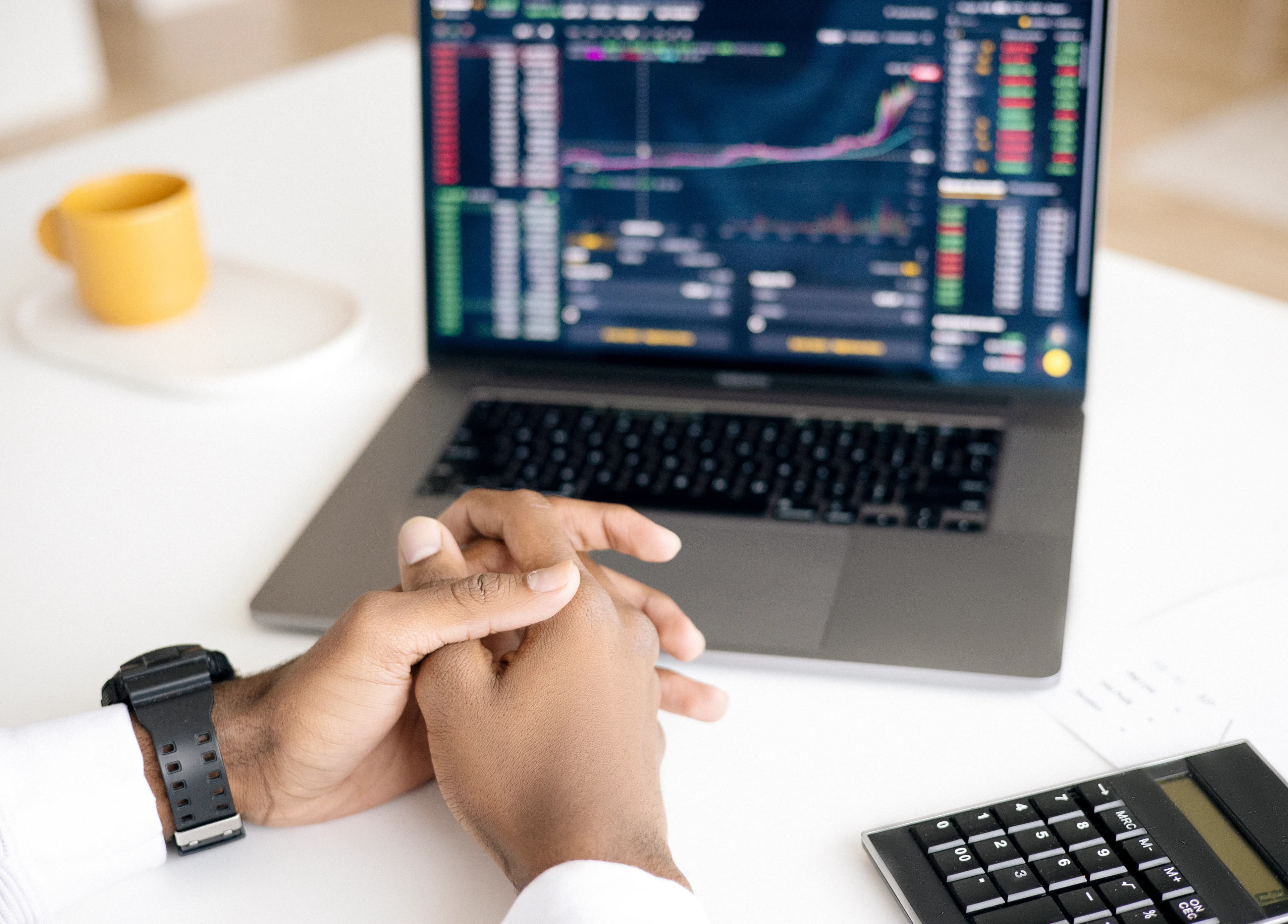
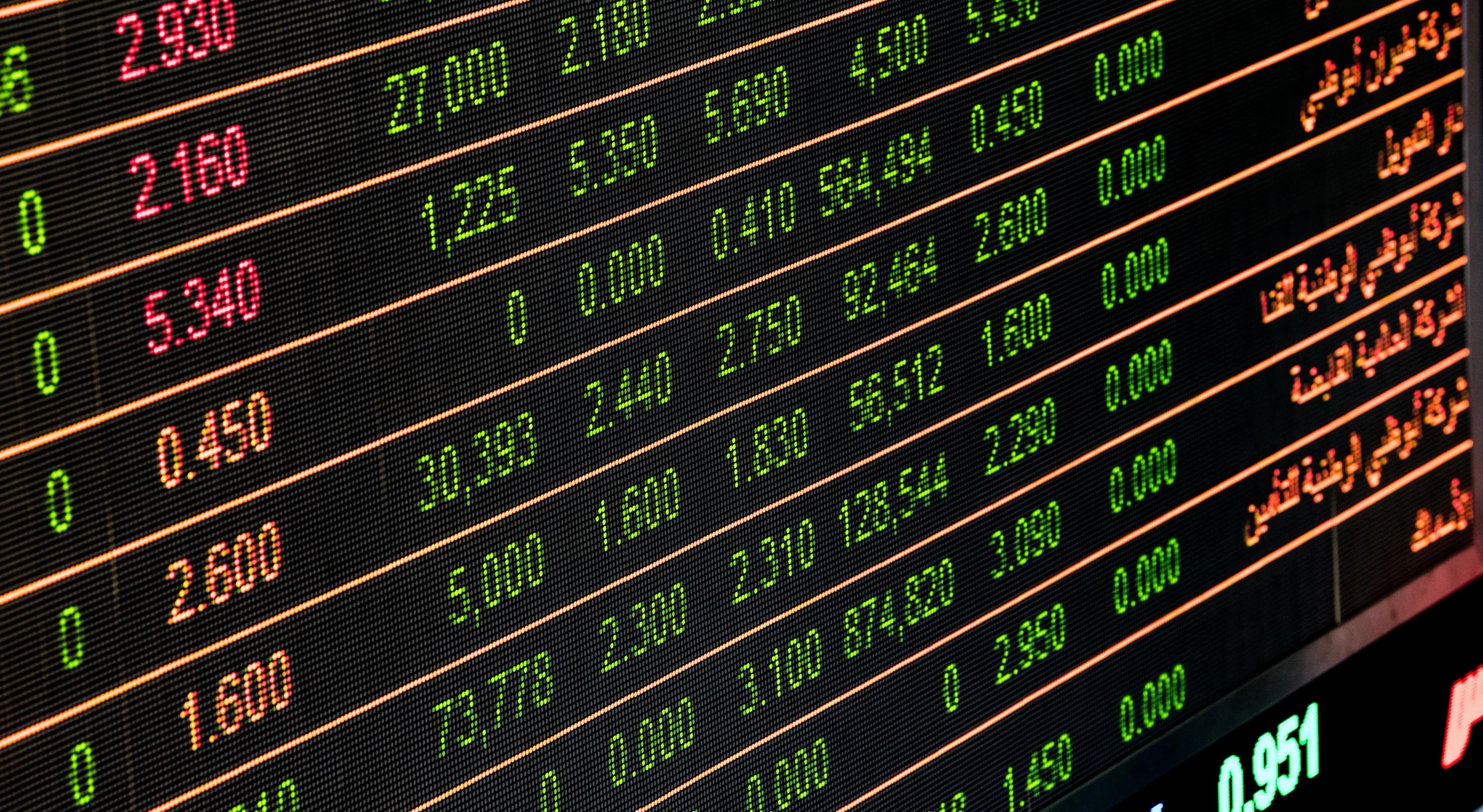
Nothing captured that quite like a Powell day. You would see it before he even said anything of substance. He would step up, offer his calm, gracious "good morning," and the charts would already start to twitch. Green, then red, then green again, before a single number or policy word had left his mouth. Whole armies of traders sit poised on those days, ready to fire on every phrase, and the market turns into a live wire.
Trading the news is a real strategy, and for some people it genuinely works. For others it is a fast way to give back months of patient gains. There is no single right answer; it comes down to who you are and what your stomach can handle.
The Verdict
Jerome Powell is proof that in modern markets a single person can matter as much as any number. A lawyer who never trained as an economist ended up holding the most powerful economic lever in the world, and for eight years the entire market held its breath every time he opened his mouth. He has handed over the chair now, but the lesson stays: on the days the Fed speaks, the ground can shift under your feet before you even know why.
So let me turn it back to you. On a big Fed day, what do you do? Do you sit tight as a buy-and-holder and tune out the noise, or do you lean in and trade the storm? There is no wrong answer, but I would genuinely love to know which kind of investor you are.
Related Reading
This article is for informational purposes only and is not financial advice. Always do your own research before investing.Screen stocks and compare valuations with our Stock Screener.