Datadog just crossed $1 billion in quarterly revenue for the first time. That milestone - $1.006 billion in Q1 2026, up 32% year-over-year - landed while the stock was already up 37% year-to-date, making DDOG one of the strongest performers in tech so far in 2026. The question isn't whether Datadog is a good business. It clearly is. The question is whether DDOG stock has been worth the volatility compared to simply holding the S&P 500 - and whether that answer changes from here.
DDOG vs S&P 500 Performance: The Risk-Adjusted Reality
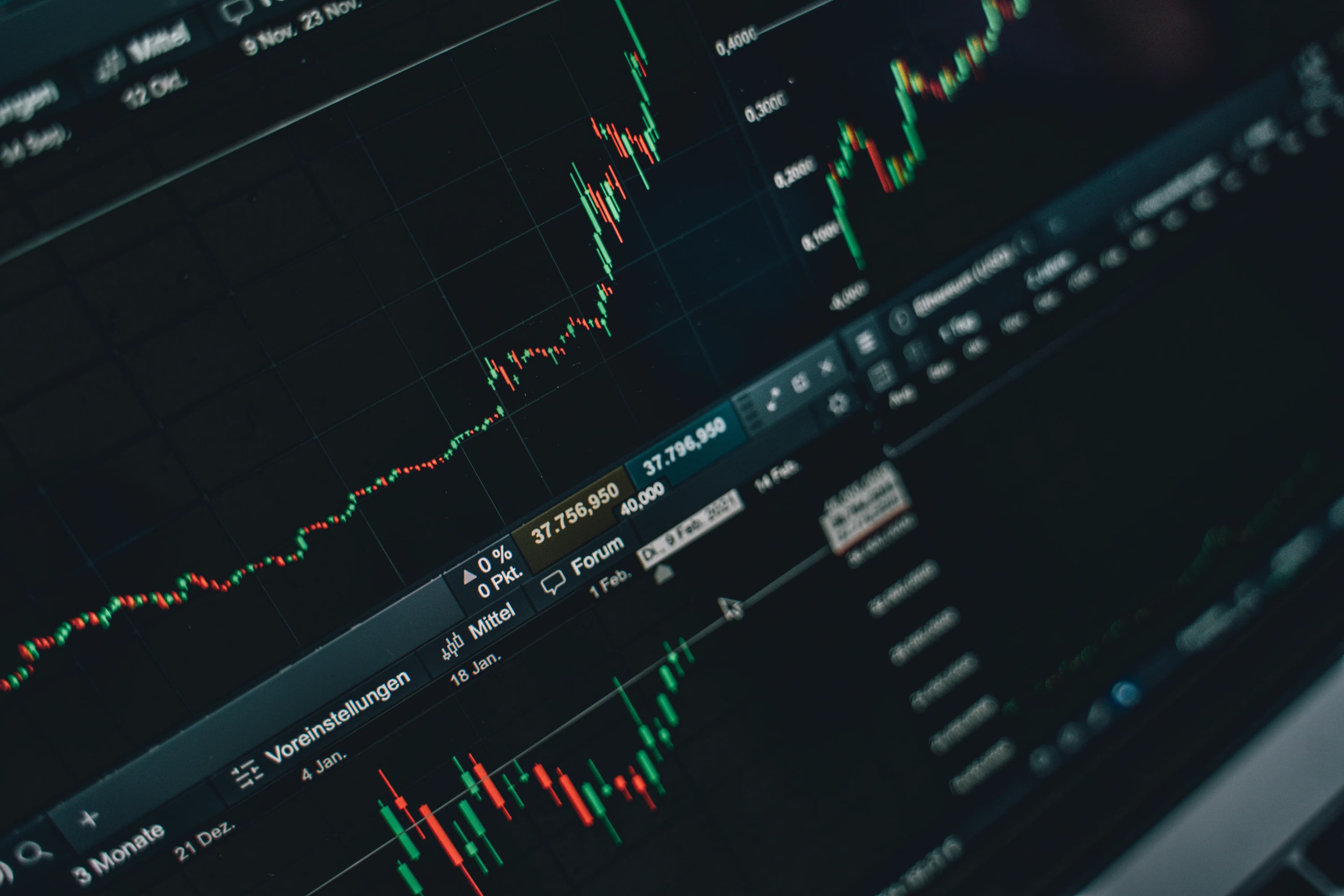
Over the past three years, DDOG has been a stomach-churning ride. The stock was cut nearly in half during the 2022 rate-driven growth selloff, then staged a powerful recovery, then stalled again through much of 2024 as cloud spending normalization weighed on sentiment. The S&P 500, meanwhile, delivered relatively steady compounding. Investors who stayed patient with DDOG and didn't bail during the drawdowns are now being rewarded - but most retail investors don't hold through 40% drops without flinching.
That context matters because the 37% 2026 gain looks spectacular in isolation. But it's partly a recovery trade. Investors who bought at the 2021 peak are still working through that scar tissue. The S&P 500 has no such baggage. When you compare risk-adjusted returns, DDOG demands you earn that premium through conviction and staying power. The 2026 rally is evidence the market is starting to reprice the AI observability thesis more aggressively - and that repricing still has room to run.
DDOG Earnings 2026: What the $1 Billion Quarter Actually Signals
The Q1 2026 earnings report was more than a revenue beat. Crossing $1 billion in a single quarter validates what Datadog has been building toward: a platform that enterprises treat as essential infrastructure, not discretionary software. Non-GAAP operating income came in at $223 million, reflecting a non-GAAP operating margin that demonstrates real profitability at scale. GAAP operating income of $7 million (a 1% margin) tells you stock-based compensation is still elevated, which is a fair criticism - but the non-GAAP cash generation is the number that matters for valuation.
The 32% year-over-year revenue growth rate is what separates Datadog from the broader software sector. Most enterprise SaaS companies would celebrate growing at half that rate. Datadog is doing it on a billion-dollar quarterly base, which makes the growth mathematically harder to sustain and strategically more impressive when it happens. The AI observability expansion - helping enterprises monitor LLM applications, GPU infrastructure, and AI pipelines - is a genuine new revenue vector, not a marketing rebrand.
Track DDOG live on Stock Market ROI →DDOG Valuation 2026: Expensive, But Not Irrationally So
Here is where the bull and bear cases collide. Goldman Sachs initiated coverage in January 2026 with a Sell rating and a $113 price target, with analyst Gabriela Borges citing competitive pressures as a primary concern. With DDOG trading well above that level after the 37% YTD run, Goldman's call has already aged poorly - but the underlying concern about competition from Microsoft, Dynatrace, and open-source observability tools is legitimate and shouldn't be dismissed.
Datadog trades at a premium multiple that requires continued execution. The market is pricing in sustained high-growth and expanding margins. If the company misses on either front - particularly if large cloud customers consolidate monitoring spend onto cheaper native tools - the multiple compresses fast. Premium SaaS names don't fall gracefully; they tend to gap down 15-20% on a bad quarter.
That said, the Goldman bear case rests on a competitive narrative that Datadog has been hearing since 2020 and continues to outrun. The platform's breadth - covering infrastructure, APM, logs, security, and now AI observability in a single unified product - creates a switching cost that point solutions and cloud-native tools have struggled to replicate. Customer retention remains strong, and the move upmarket into large enterprises has been executed cleanly.
DDOG Analyst Target and What Wall Street Is Missing
The consensus view on Wall Street has been persistently too conservative on Datadog's ability to sustain growth at scale. Analysts who have tracked the name through Yahoo Finance data have repeatedly underestimated how deeply the platform embeds itself in complex cloud-native environments. Every time a company migrates a workload to Kubernetes, expands a microservices architecture, or spins up an LLM in production, Datadog gets more valuable - not less.
The AI infrastructure buildout is the most important macro tailwind the company has ever had. Unlike pure-play AI software companies that need to convince enterprises to adopt entirely new workflows, Datadog sits directly in the monitoring and observability layer that every AI deployment needs from day one. You don't run a production LLM without knowing whether it's working. That's Datadog's lane, and nobody owns it more completely right now.
The competitive threat from Microsoft is real but often overstated. Azure Monitor and Application Insights are adequate for Microsoft-native shops running simple workloads. For polycloud enterprises running complex, heterogeneous environments - which describes most large companies - Datadog's multicloud, vendor-neutral position is a feature, not a liability.
Compare top stocks with our free screener →Where This Leaves Investors: Is DDOG a Buy After the 2026 Rally?
HOLD for existing investors, BUY on pullbacks for new money.Datadog is a best-in-class business that just posted the strongest evidence yet that its growth story is durable. The Q1 2026 billion-dollar quarter combined with 32% revenue growth and expanding non-GAAP profitability is exactly what a platform company looks like when network effects and switching costs compound together. The 37% YTD run has priced in a lot of good news, which limits the upside from current levels in the near term.
The 12-month price target: DDOG reaches $175-$195 over the next 12 months, assuming the company sustains 25-30% revenue growth in the next two quarters and non-GAAP margins continue expanding. The AI observability tailwind is real, enterprises are embedding Datadog deeper into their infrastructure stacks, and the platform's breadth makes displacement increasingly difficult.
The thesis breaks if large cloud hyperscalers - specifically Microsoft or AWS - bundle observability tools aggressively into enterprise contracts at discounted rates, causing net revenue retention to deteriorate meaningfully below current levels. If Datadog's growth rate decelerates to sub-20% and margins fail to expand simultaneously, the current valuation cannot be sustained and the stock likely revisits the $110-$120 range. Watch net revenue retention and customer count growth in Q2 2026 earnings as the leading indicators.Related Reading
Screen technology stocks with our Stock Screener.
Track it live: DDOG and compare with our Stock Screener.