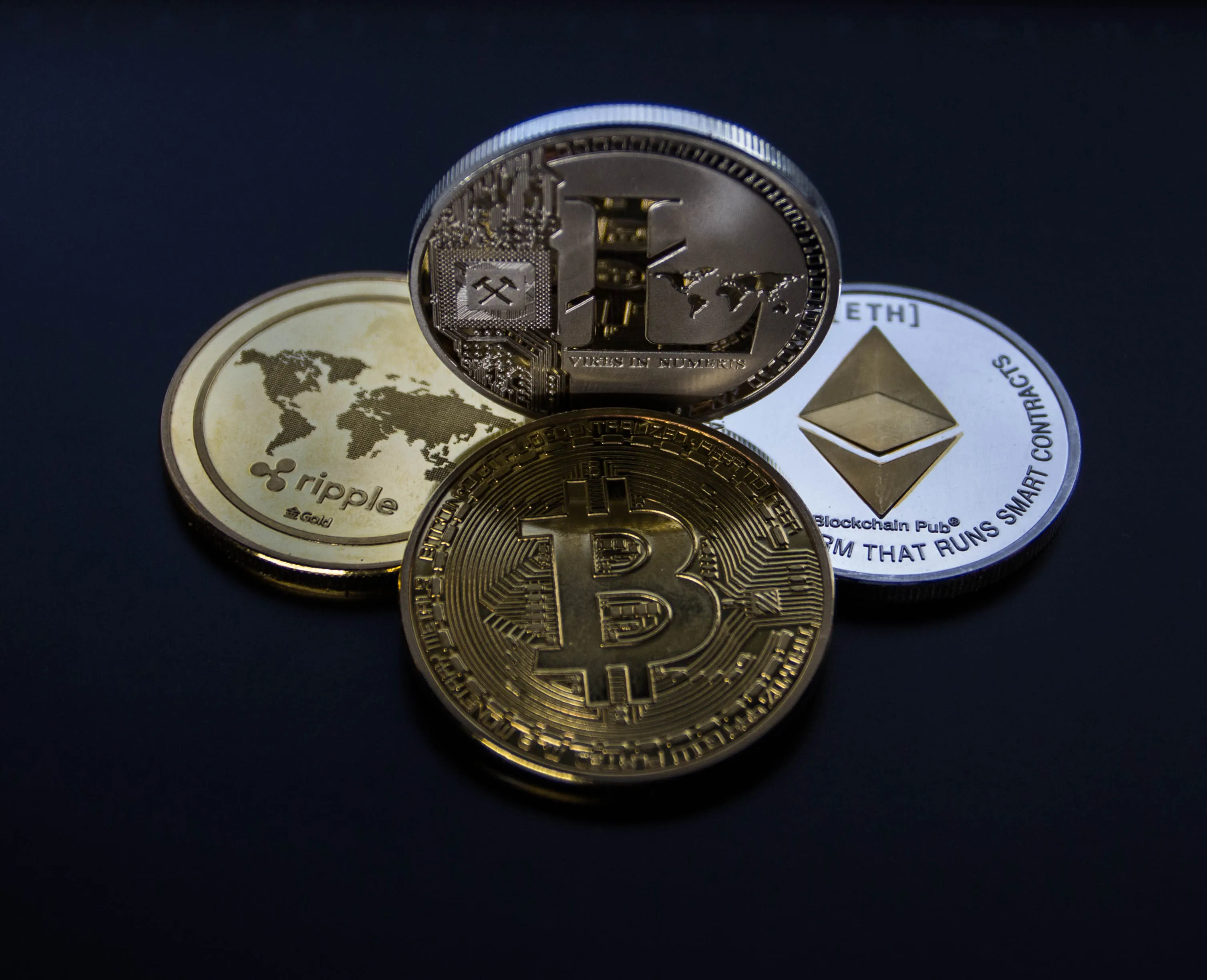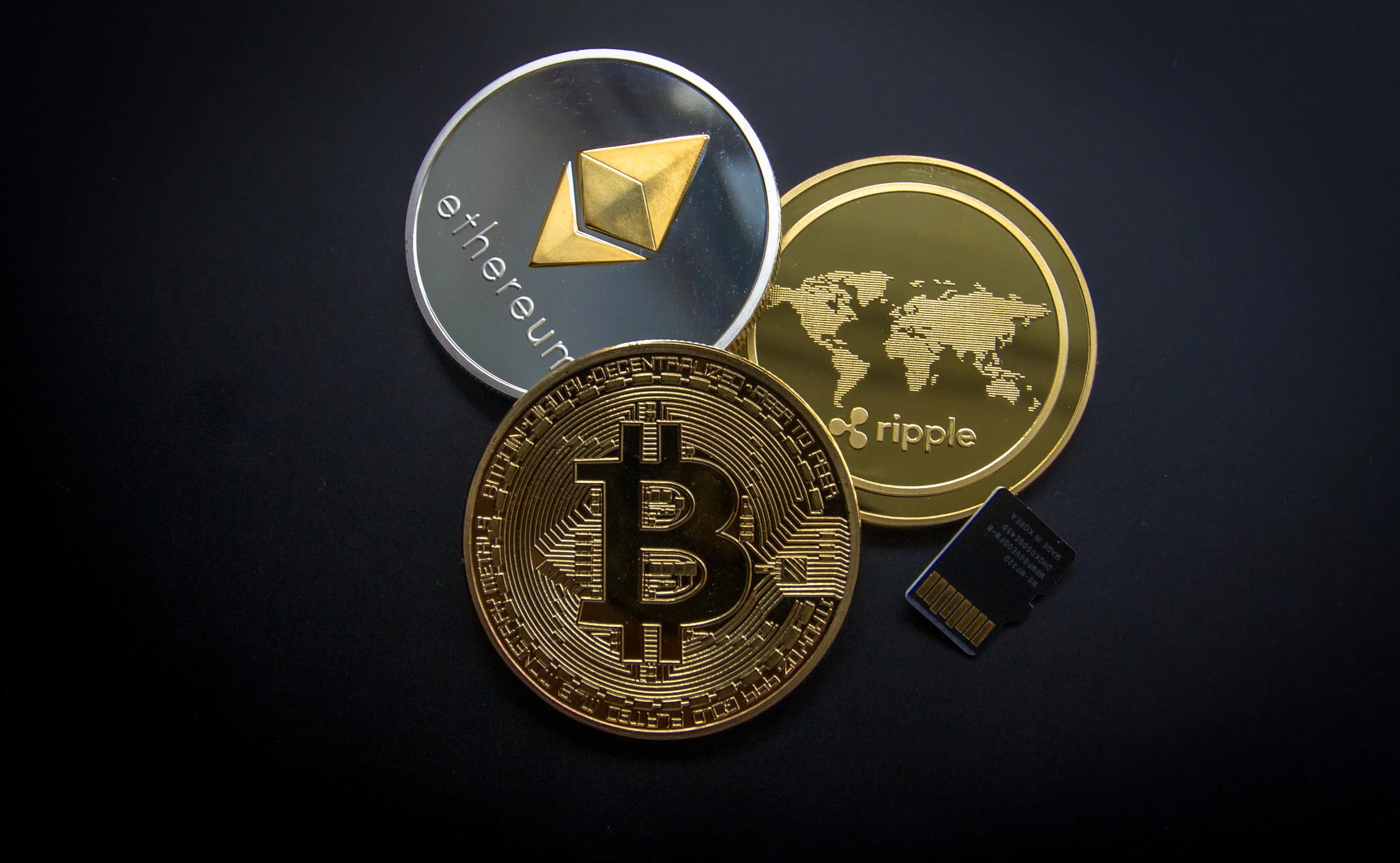
Gold just hit fresh all-time highs above $3,300 per ounce in 2026 while Bitcoin has dropped roughly 20% year-to-date, falling from around $93,000 at the start of the year. If you believed the "digital gold" narrative, that divergence should give you pause. When inflation anxiety peaks and macro uncertainty spikes, the two assets are supposed to move together - but they haven't. The Bitcoin vs gold inflation hedge debate has a clearer answer right now than it has in years, and investors who ignore it are leaving real money on the table.
Bitcoin vs Gold as an Inflation Hedge: The 2026 Reality Check
Gold's behavior in 2026 is exactly what an inflation hedge is supposed to look like. As the Federal Reserve has struggled to bring inflation sustainably back to its 2% target, and as geopolitical tensions have kept risk premiums elevated, gold has responded with textbook safe-haven appreciation. The metal's track record spans thousands of years, and its correlation with inflation protection during system-wide crises is well-documented. This year is simply the latest data point in a very long series.
Bitcoin, by contrast, is behaving like a risk asset. That's the blunt reality analysts and market data keep confirming. During equity market selloffs and moments of peak fear, Bitcoin has declined alongside tech stocks rather than decoupling the way a true hedge would. The 20% year-to-date drawdown from $93,000 doesn't just reflect short-term volatility - it reflects a structural problem with Bitcoin's role in a defensive portfolio. Risk-off environments, almost by definition, punish assets that retail and institutional traders treat as speculative growth plays. Bitcoin currently sits firmly in that category.
The core bull case for Bitcoin as an inflation hedge has always rested on two pillars: fixed supply (capped at 21 million coins) and borderless, censorship-resistant transfer. Those properties are real and they matter. But supply scarcity alone doesn't create inflation-hedging behavior - if it did, rare art and vintage wine would trade like Treasury bonds during crises. What matters is market psychology, institutional positioning, and historical precedent. On all three counts, gold wins in 2026.
Gold vs Bitcoin 2026: Understanding the Performance Gap
The divergence this year isn't a fluke. It reflects something deeper about how each asset is actually used by large capital allocators. Central banks globally have been accelerating gold purchases for several years running - a trend that has provided consistent demand support independent of retail sentiment. No central bank holds Bitcoin as a reserve asset at meaningful scale. That institutional anchor matters enormously when markets get choppy.
Bitcoin's volatility profile also undermines its hedge credentials in practical terms. An asset that can drop 20% in a few months while inflation remains elevated is difficult to size meaningfully in a defensive portfolio. A 5% allocation that loses a fifth of its value contributes noise, not protection. Gold, with tighter volatility relative to its return profile in stress scenarios, actually hedges the positions you're trying to protect.
That said, dismissing Bitcoin entirely misreads the longer arc. Over multi-year periods, Bitcoin's fixed supply and growing adoption curve have generated returns that dwarf gold's. For investors with a five-to-ten-year horizon who can absorb drawdowns, Bitcoin's asymmetric upside remains compelling. The mistake is conflating a long-term growth thesis with short-term inflation protection - those are two different investment objectives requiring two different tools.
Track top inflation hedge assets live on Stock Market ROI →Bitcoin Inflation Hedge 2026: When the Narrative Breaks Down
The "digital gold" framing has always been more marketing than mechanics. Gold's inflation-hedging properties emerge from centuries of monetary history, central bank demand, and deeply embedded cultural value that spans every major economy on earth. Bitcoin is 15 years old. Institutional adoption is still developing. Regulatory frameworks in the US remain in flux, even as the SEC has taken a more crypto-friendly posture under recent leadership changes.
When the Fed signals rate cuts, Bitcoin rallies hard - that's a risk-asset response, not a hedge response. When macro fear spikes, Bitcoin sells off alongside equities - again, risk-asset behavior. The pattern is consistent and it's been consistent for multiple market cycles now. The burden of proof for the inflation hedge thesis sits squarely with Bitcoin bulls, and the 2026 data is not helping their case.
There's also a correlation issue that rarely gets discussed plainly. During the 2022 inflation surge - the most significant inflationary episode in four decades - Bitcoin lost more than 60% of its value. Gold declined modestly but held its real purchasing power. The one scenario specifically designed to validate Bitcoin's inflation hedge narrative was the one that most decisively falsified it.
Gold Investment 2026: The Case for the Boring Choice
Gold is not exciting. It doesn't have a white paper, a community of true believers, or the potential to 10x in a bull market. What it has is a 5,000-year track record of storing value, unmatched liquidity across global markets, zero counterparty risk in physical form, and institutional demand that is structurally growing. For US investors specifically, gold-backed ETFs like GLD and IAU provide easy, low-cost exposure without storage complexity.
The opportunity cost of holding gold over Bitcoin during a bull crypto cycle is real and can be painful. But portfolio construction isn't just about maximizing upside - it's about matching the right tool to the right objective. If your objective is protecting purchasing power during inflationary stress, gold is doing the job in 2026. Bitcoin is not.
Compare top inflation hedges and alternative assets with our free screener →The Verdict
VERDICT: For inflation hedging specifically, BUY gold and treat Bitcoin as a speculative growth allocation - not a defensive one.Gold is the superior inflation hedge in 2026 and likely will remain so for the next decade as institutional infrastructure around Bitcoin continues maturing. US investors who need genuine crisis protection should anchor to gold. Those with higher risk tolerance and longer time horizons can hold Bitcoin alongside it - but they should be honest about what they own.
12-month prediction: Gold is likely to trade between $3,200 and $3,800 over the next 12 months, supported by continued central bank demand, persistent inflation above the Fed's 2% target, and geopolitical risk premiums that show no sign of deflating. Bitcoin could recover toward $100,000-$110,000 if risk appetite returns and ETF inflows accelerate, but that's a growth trade, not a hedge. Risk scenario: If the Fed achieves a genuine soft landing, inflation drops cleanly to 2%, and equity markets rally strongly through year-end, gold's safe-haven premium compresses and Bitcoin could dramatically outperform as capital rotates back into risk assets. That scenario would invalidate the thesis for holding gold over Bitcoin in a near-term tactical allocation.Related Reading
See live prices on Bitcoin and compare assets with our Stock Screener.